When Energy Markets Set the Tone

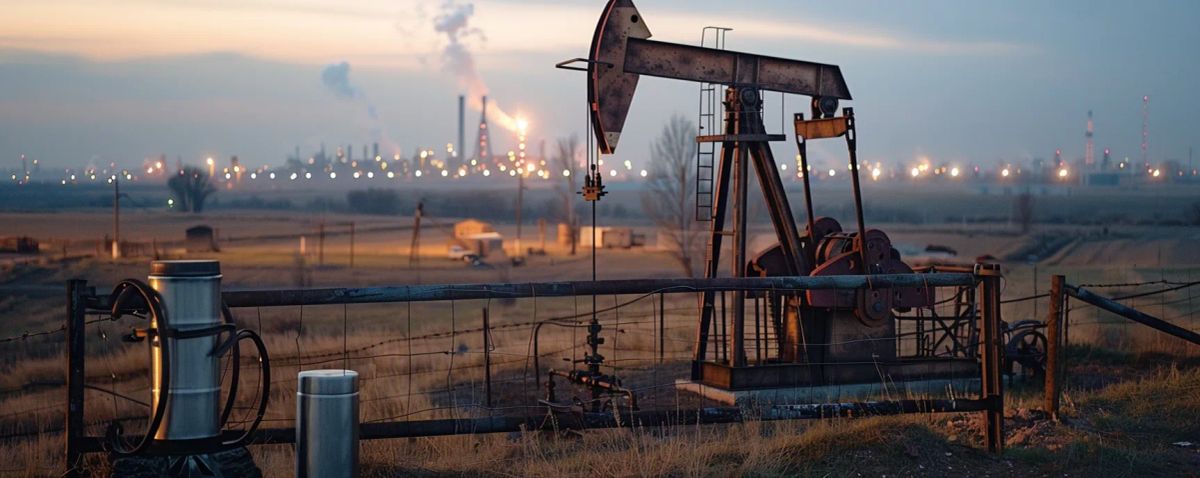
Midway through September, oil and natural gas continue to set the pace for financial markets, their momentum shaped by a blend of OPEC+ production maneuvers, U.S. shale dynamics, and unfolding policy signals on both sides of the Atlantic. Energy’s role today is less about headline shocks and more about steady signals that traders and investors are reading with close attention.
OPEC+ is incrementally returning supply after months of discipline, while U.S. output sits at record highs but faces a slowing growth curve. Each Vienna meeting and every rig count out of Texas now feed into the market’s pulse. Recent moves in oil and gas have acted as a quiet barometer for broader sentiment—guiding sector rotations and prompting portfolio adjustments. The story this week is clarity in the daily rhythm rather than drama in the swings.
OPEC+ Moves and Shale Slowdown
OPEC+ made headlines this month with further production increases, most recently agreeing to add 137,000 barrels per day beginning in October—a downshift from the brisk hikes seen earlier in the summer. This moderation reflects Saudi Arabia’s intent to recover market share even at the risk of softer prices, signaling a switch from intense price-support to a more pragmatic balancing act. Recent meetings in Vienna underscored the cartel’s flexibility: while broad cuts dating back to last year have been gradually unwound, the group remains prepared to pause or reverse those moves if market conditions deteriorate.
U.S. oil production stands at a record high, reaching 13.58 million barrels a day in June, even as growth decelerates amid lower rig counts and cautious strategic repositioning among shale producers. Productivity per rig rose above 1,000 barrels per day this summer, offsetting some operational pullback—but with rig counts down and breakeven costs rising, forecasters see output peaking by next spring unless renewed drilling and efficiencies can counter natural declines.
Prices themselves remain a tug-of-war. Brent crude has recently hovered just below $70/barrel, up from the spring lows, while U.S. WTI settled near $64 after initial jumps driven by OPEC+ meetings and fleeting supply anxiety. Short-term, broad inventory builds and maintenance season temper upside risk, but volatility lingers as geopolitical shocks (from Russia and the Middle East) keep buyers wary.
Natural Gas: Winter’s Loom and Export Flows
As late summer recedes, natural gas takes the stage. U.S. dry gas production remains robust: August averaged 108.7 billion cubic feet per day, up 5.4% from last year and only fractionally below the all-time high set in June. Demand for power generation dipped with cooler weather, but LNG exports set a new record in August at 9.33 million metric tons, solidifying America’s position as the world’s largest supplier of the super-cooled fuel.
Export volumes, however, have turned volatile this month as maintenance in key Gulf Coast facilities and weaker feedgas flows saw weekly shipments dip by 5–8%. The Plaquemines facility in Louisiana continues to ramp up, its output now representing a growing share of U.S. exports. Regionally, Europe remains the main buyer despite lower-than-average storage levels entering winter; European reserves are at 80% of working capacity, about 10 billion cubic meters below their three-year average and the lowest since Russia’s invasion of Ukraine.
Forecasts suggest storage injections will run into late October with sites likely reaching only 87% fill—potentially boosting winter LNG demand, especially if cold snaps revisit the continent. Natural gas spot prices, both U.S. and European benchmark TTF, have firmed: Henry Hub sits near $3.08/MMBtu, up 6% over the past month and nearly 35% versus last September, while the TTF contract has risen almost 4% on the month. Weather models, facility outages, and cross-continental flows will keep traders alert as heating season nears.
Energy, Inflation, and the Fed
Energy trends are feeding directly into this fall’s macro conversation. After several deflationary months, U.S. energy prices have turned higher—up 0.2% year-on-year in August, with monthly gains driven by natural gas and utility rates, while gasoline’s decline has softened. Crude oil’s rebound and the surge in power costs are feeding a modest uptick in headline inflation: CPI printed at 2.9% y/y, its fastest since early 2025, with core inflation holding steady at 3.1%.
In response, the Federal Reserve delivered its first rate cut since last December, lowering the funds rate to 4–4.25% and signaling two more reductions before year-end. Chair Powell’s remarks and economic projections show policymakers walking a careful line—unwinding tightening as labor market signals soften, but remaining tentative given global uncertainties and the underlying energy price pulse. Analysts project the benchmark rate settling at 3.5–3.75% by December, which stands to support energy equities and further stimulate risk appetite across U.S. assets.
Sector Setups and Signals
Energy stocks have staged a comeback in 2025. Sector leaders like NRG Energy (+61.3% YTD), GE Vernova (+86.4%), and Newmont (+99.9%) point to robust performance amid renewed capital flows into fossil and clean energy themes alike. Momentum rests on global supply balances, policy clarity, and winter weather. Investors are watching OPEC+ deliberations for any surprise reversals, U.S. shale rig signals for emerging bottlenecks, and LNG export data for signs of resilience or retrenchment into the fourth quarter. Renewable stocks—Eco Wave Power, Energy Vault, and Enlight—have also delivered outsized gains in a year where volatility and sector rotation have ruled.
Checklist for smart positioning:
- Monitor OPEC+ statements for next-stage production plans and discipline.
- Track U.S. shale rig counts and productivity metrics for early inflection signs.
- Watch LNG export flows and facility outage reports as Europe enters the winter fill.
- Assess weather-driven demand shocks and storage build trajectories (EU).
- Stay attuned to Fed rate signals and macro inflation data for broader sentiment cues.
- Rebalance sector exposures as volatility spikes or reversals surface.
A Clearer Brew Ahead
As autumn breaks over energy markets, clarity — not commotion — serves investors best. Oil and gas set the pace this September, quietly nudging risk appetite and setting up the next round of portfolio moves.
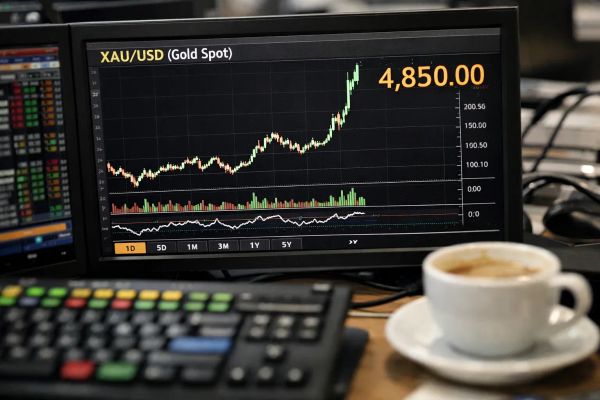
For the Newsroom at Smart Trade Insights, the quiet hum of terminals and charts offers a reminder: market rhythm is found less in the noise than in the steady pour — one cup, one data point, and one thoughtful recalibration at a time. Stay attuned, stay clear, and let the flow set your tone.
“Clarity before the coffee cools.”
Warren Blake
Editor-in-Chief, Smart Trade Insights