Every Transaction Tells a Story

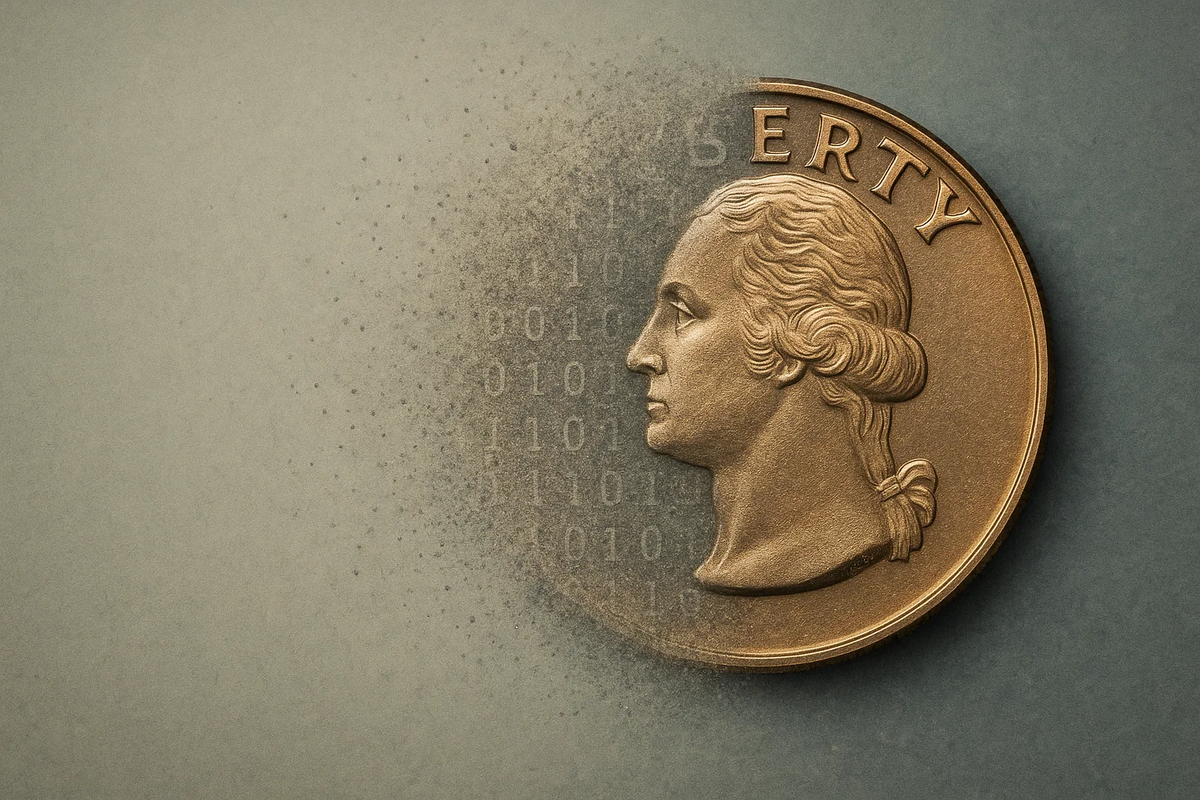
Money has always carried meaning beyond its face value. A crumpled dollar bill might whisper of late-night purchases, while the precise folds of bills from a grandmother's purse speak of careful budgeting and measured spending. But in the era of digital payments, money no longer whispers—it speaks in complete sentences, creating detailed narratives of our daily lives that extend far beyond the simple exchange of value.
The transformation from physical to digital currency represents more than technological convenience. Digital transactions generate comprehensive data trails that capture not just what we buy, but when, where, and how we spend. Each tap of a smartphone, each swipe of a card, each click of an online purchase creates permanent records that collectively paint detailed portraits of consumer behavior, preferences, and patterns.
The New Economics of Transparency
This shift toward transparent transactions brings considerable benefits that have fundamentally improved how commerce operates.
The economic advantages extend beyond individual transactions. Financial institutions can now offer more precise risk assessments, leading to better credit decisions and more tailored financial products. For consumers, this means access to services that were previously unavailable or prohibitively expensive. The transparency that digital payments provide has also enabled new business models, from subscription services to gig economy platforms that depend on seamless, trackable payments.
Yet this transparency comes with trade-offs that warrant careful consideration. Where cash transactions once offered natural privacy boundaries, digital payments create permanent records that can be analyzed, aggregated, and potentially repurposed. Payment data contains highly sensitive information about wealth, interests, and personal habits—information that becomes valuable for price discrimination, targeted advertising, and other commercial purposes. The risk extends beyond commercial use; data breaches in financial systems have become increasingly common and costly, potentially exposing sensitive transaction details to unauthorized parties.
The Architecture of Modern Money Movement
The emergence of systems like FedNow, central bank digital currencies, and real-time payment networks represents the natural evolution of this transparent money system rather than a fundamental departure from it. FedNow now connects over a thousand financial institutions, expanding its capacity for everything from payroll to relief payments. The system now facilitates everything from corporate payroll to disaster relief disbursements, demonstrating how institutional money movement is becoming as instantaneous as consumer transactions.
Central bank digital currencies represent the next phase of this evolution. With 134 countries representing 98% of global GDP now exploring or actively developing CBDCs, the movement toward government-issued digital currencies has gained significant momentum. These systems promise to combine the benefits of digital efficiency with the stability and backing of traditional monetary systems.
The trust mechanisms in these systems have shifted from interpersonal relationships to algorithmic processes. Where traditional banking once relied heavily on personal relationships and manual verification, modern payment systems depend on sophisticated code, machine learning algorithms, and automated risk assessment. This shift doesn't necessarily represent a loss of trust, but rather a transformation of where and how trust is placed—from individuals to institutions, and from institutions to the mathematical certainty of well-designed systems.

A Clearer Brew Ahead
The question of freedom in an age of digital footprints requires nuanced consideration rather than binary choices between privacy and convenience. Every dollar we spend digitally does indeed leave a digital footprint, but this reality doesn't necessarily constitute a fundamental threat to personal autonomy. Instead, it represents a new landscape that requires informed navigation.
The path forward lies not in avoiding digital payments—a choice that becomes increasingly impractical as nearly two-thirds of adults worldwide now use them. This includes supporting the development of privacy-enhancing technologies, understanding the data policies of payment providers, and engaging with the regulatory frameworks that govern how transaction data is collected, used, and protected.
Financial freedom in the digital age emerges from awareness rather than avoidance. As our monetary system continues to evolve toward greater transparency and efficiency, the challenge lies in ensuring that the benefits of innovation are balanced with protections for individual privacy and autonomy.
The conversation about money and freedom is just beginning — and what we decide now will define the financial landscape for years ahead.
“Clarity before the coffee cools.”
Warren Blake
Editor-in-Chief, Smart Trade Insights