Crypto’s Next Chapter: From Wild West to Main Street

The Early Wild Ride
In the beginning, the world of cryptocurrency felt like a frontier town. Uncharted, unruly, and bursting with both promise and peril. Prices whipsawed by thousands of dollars in a single afternoon. Hackers slipped through the cracks of weak defenses and made off with fortunes. The collapse of Mt. Gox back in 2014—when 850,000 bitcoins vanished—remains one of the darkest reminders of how fragile those early systems were.
For ordinary folks, the very idea of Bitcoin or Ethereum was wrapped in mystery and risk. Buying crypto seemed less like investing and more like walking into a smoky backroom where the rules weren’t clear and the stakes were sky-high. New exchanges popped up overnight, only to vanish by morning. Scams disguised as investments lured in the hopeful and left them empty-handed. For every story of overnight riches, there were plenty more of painful losses.
The volatility added to the myth. Watching Bitcoin soar from $1,000 to $20,000, then tumble back again, was both thrilling and terrifying. The rush to get in often met with the equally strong urge to get out. It was a game for speculators, not for families planning retirement. For most Americans, crypto was a headline curiosity—something distant, dangerous, and perhaps not for them.
The Turn Toward Stability
Fast forward to 2024 and 2025, and the landscape looks far less like a lawless frontier. The approval of Bitcoin and Ethereum exchange-traded funds (ETFs) in the United States marked a defining shift. These funds let investors buy crypto exposure through familiar brokerage accounts—the same way they’d buy shares of Apple or a broad index. No digital wallets, no secret keys. Just a ticker symbol and a “buy” button.
The results spoke loudly. By mid-2025, Bitcoin spot ETFs had already attracted nearly $15 billion in inflows, rivaling some of the country’s most established funds. That’s not hype—it’s households and institutions alike saying, “We’re in.” Suddenly, crypto felt less like a gamble and more like an option on the investment menu.
Banks, once skeptical at best and dismissive at worst, are also changing course. Regional players and major institutions alike now offer custody services, payment rails, and support for digital assets. The message is clear: crypto isn’t just for hobbyists anymore. It’s moving into the same vaults and systems that protect our paychecks and mortgages.
Rules of the Road
Equally important, Washington is finally sketching clearer lines. For years, regulators squabbled over definitions—was crypto a security, a commodity, or something else entirely? The uncertainty left companies guessing and investors uneasy. Now, bipartisan efforts in Congress are laying down guardrails.
Think of it less as red tape and more as traffic lights. By defining the status of digital assets and giving banks a clear framework, these new rules reduce the risk of getting blindsided. Investors can feel more confident that their money isn’t being parked in a legal gray zone. For the first time, the industry is beginning to play by rules everyone can see.
Everyday Access
For everyday Americans, these changes make all the difference. Buying Bitcoin no longer means wiring money to an unknown exchange overseas. It can be as simple as logging into your brokerage or retirement account, typing a ticker symbol, and clicking “buy.”
Fractional ownership makes the process even friendlier. You don’t need $60,000 to buy a whole Bitcoin. You can invest $50 or $100 at a time, the same way you might with stocks. Settlement is instant. Pricing is clear. And most importantly, the systems are backed by professional security standards and regulated oversight.
The sense of safety that was absent in the early years is finally catching up. Instead of worrying about forgotten passwords or hacked wallets, investors can rely on banks and financial institutions to handle the technical heavy lifting. It’s a shift from shadowy backrooms to Main Street counters.
The Next Wave: Tokenization
As crypto becomes easier to buy, new ideas are pushing its potential further. Chief among them is tokenization—the notion that almost anything of value can be broken into digital slices, then traded as easily as shares of a company.
Picture owning a fraction of an office building in Chicago or a sliver of a U.S. Treasury bond. Maybe even a piece of fine art hanging in a museum. Tokenization makes these once-exclusive assets more accessible. No need for millions in upfront capital. No geographical barriers. Just a few clicks on an app, and you could hold part of an asset that used to be reserved for institutions and the wealthy.
This isn’t just theory. Real estate projects, government debt, and collectibles are already being tested in tokenized form. If the trend sticks, the line between “Wall Street” and “Main Street” could blur even more, giving regular investors a chance to play in arenas once out of reach.
Beyond Speculation
Crypto’s story isn’t just about investing anymore. It’s also becoming a practical tool. Stablecoins—digital tokens pegged to the dollar—are being adopted for fast, low-cost payments. Imagine sending money overseas and having it arrive instantly, without high fees or delays. Businesses are exploring the same tools to cut friction in everyday transactions.
Cross-border remittances, small business payments, even payroll systems—crypto is edging into these spaces. The promise is straightforward: money that moves as fast as the internet, with fewer middlemen taking a cut. As regulated banks step into the stablecoin market, that promise inches closer to everyday reality.
A Clearer Horizon
Looking back, it’s remarkable how far crypto has traveled. From the chaos of hacks and scams to the order of ETFs and regulated banking partnerships, the industry has shed much of its early baggage. The rollercoaster hasn’t stopped, but the track feels sturdier.
For the average American, crypto no longer has to be a leap into the unknown. It can be an incremental step—one investment among many, tucked neatly into a diversified portfolio. The wild frontier is being tamed, and the settlers are arriving.
Not the End, Just the Beginning
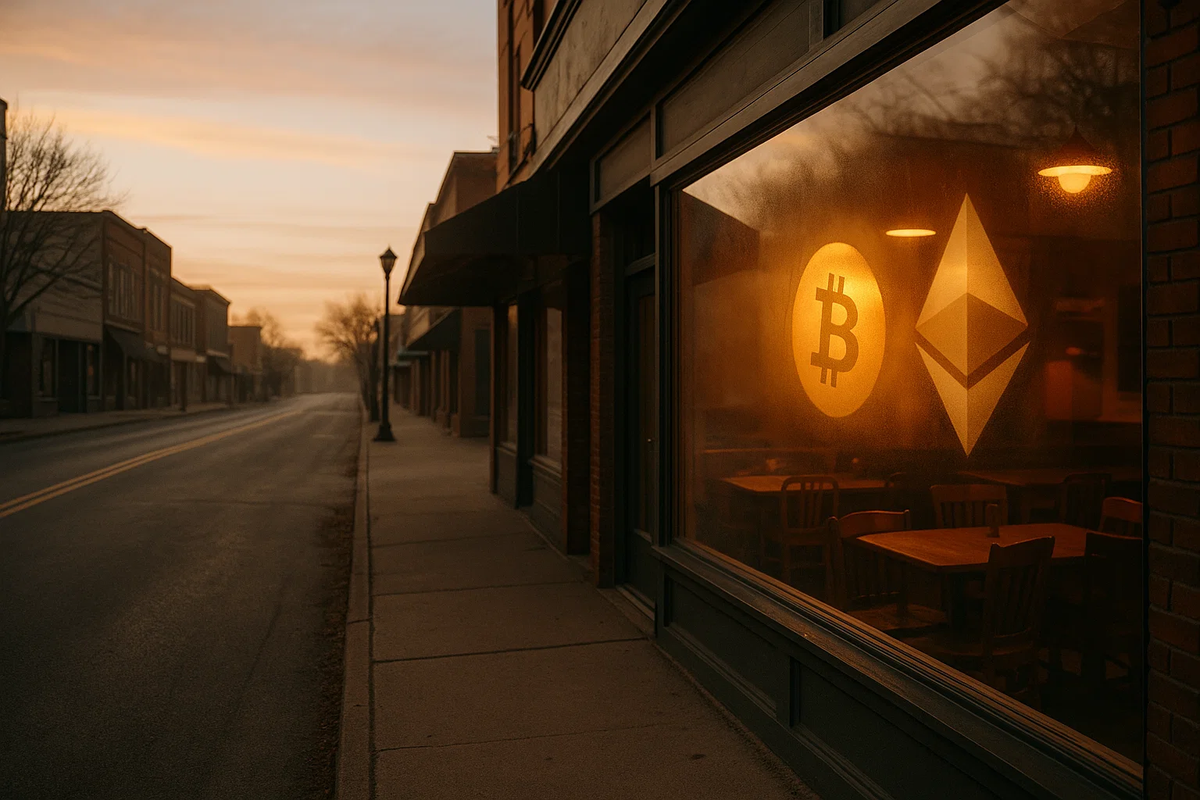
Crypto isn’t riding off into the sunset. It’s unpacking its bags on Main Street. You can see it in your brokerage account, in your bank’s new services, and in the serious conversations happening in Washington. The excitement remains, but the chaos is giving way to structure.
For anyone following the story with a cup of coffee in hand, the message is clear: crypto is no longer an outsider. It’s becoming part of the neighborhood — and this story, far from ending, is just finding its stride.
“Clarity before the coffee cools.”
Warren Blake
Editor-in-Chief, Smart Trade Insights