Crypto Regulation Can’t Wait: Why Clear Rules Are Now a Market Necessity


Markets don’t lie. In a single day this August, crypto lost more than $100 billion in market value. Ethereum saw $135 million in shorts liquidated in just one hour. Even Bitcoin, the “stable” giant, swung sharply as traders digested shifting headlines.
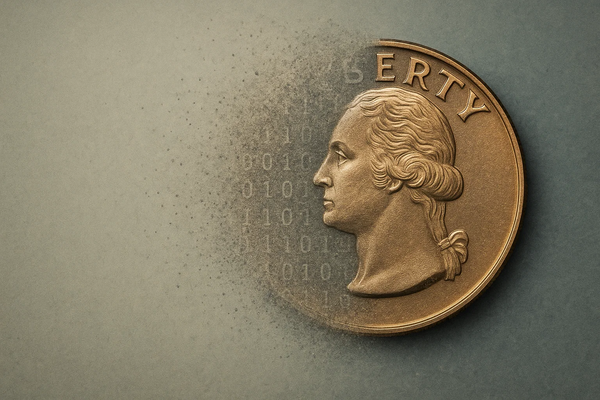
This isn’t a sideshow anymore. Crypto is big money, tied into institutional portfolios and edging closer to the broader financial system. That’s why the question of regulation can no longer be pushed aside. Without clear rules, volatility will remain the rule, not the exception — and confidence will keep slipping.
Why 2025 Is the Breaking Point
What was once the playground of speculators has turned into a market institutions can’t ignore. But institutions need clarity. They want custody standards, consistent trading rules, and a regulatory line between commodities like Bitcoin and securities like altcoins.
The CFTC and SEC finally appear to be moving. The CFTC’s Crypto Sprint and the SEC’s Project Crypto are early steps toward a framework. Acting CFTC Chair Caroline Pham put it bluntly: “We are wasting no time in fulfilling President Trump’s vision to make America the crypto capital of the world.”
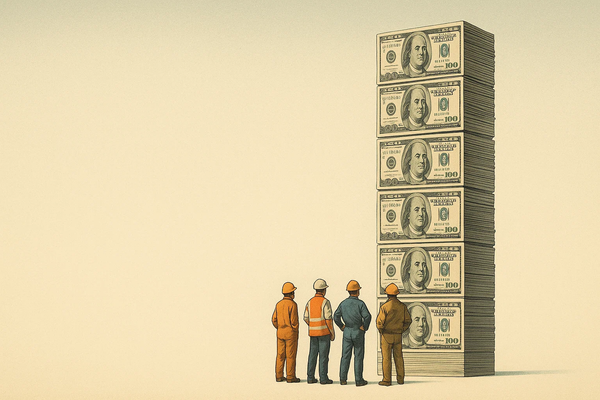
That urgency reflects the stakes. Hacks, fraud, and high-profile bankruptcies have shredded billions in wealth. The $420 million liquidated in a single August sell-off isn’t just a number — it’s a symptom of markets still too loosely tethered to investor safeguards.
And the risk isn’t just to crypto die-hards. The Bank for International Settlements has warned of spillovers into traditional finance. If crypto remains a regulatory gray zone, one collapse could trigger a broader chain reaction.
Investors Want Confidence, Not Guesswork
Institutional players have made it clear: without regulatory clarity, they won’t commit in size. “We want to invest with confidence, not guesswork,” one fund manager told Bloomberg this month.
The President’s Working Group has called for a unified framework. That means classifying assets properly, modernizing custody rules, and building guardrails strong enough to attract capital — without stifling innovation. The market doesn’t need perfection; it needs predictability.
Regulators Under Pressure
The SEC’s old playbook — enforcement through lawsuits — only drove firms offshore and left U.S. investors exposed. Now, under new leadership, the SEC is shifting to proactive rulemaking. The CFTC, meanwhile, is pushing for expanded authority over spot crypto markets.
It’s not an easy balance. Regulators must protect investors while allowing space for new ideas like stablecoins, tokenized credit, and DeFi experiments. But delay carries its own cost: every month without clarity, more investors lose money, and more firms flee to friendlier jurisdictions.
A Global Race
The U.S. isn’t writing these rules in a vacuum. The EU’s MiCA framework is already in motion, offering harmonized rules across 27 member states. Singapore and Hong Kong are competing to become Asia’s crypto capitals, with licensing regimes designed to attract global business.
If Washington dithers, the U.S. risks losing talent, capital, and influence to regulators abroad who are moving faster.
Without Rules, Trust Dies
History is a harsh teacher. From the $281 million KuCoin hack to the wave of bankruptcies in 2025, the pattern is clear: unregulated markets breed fraud, mismanagement, and collapse. Each new scandal erodes trust — the one resource crypto can’t afford to lose.
Investors are tired of uncertainty. Without reform, crypto risks being locked in a cycle of boom and bust, never graduating into a stable asset class.
The Path Forward
Regulation isn’t a threat to crypto’s future — it’s the condition for survival. Clear rules will open the door for institutions, protect everyday investors, and reduce systemic risk.
The U.S. has a chance to lead, but the clock is ticking. The choice is stark: embrace regulation and build trust, or remain trapped in chaos.
For investors reading this with a morning coffee in hand, the message is simple: crypto regulation can’t wait. The next chapter of digital assets depends on it.
“Clarity before the coffee cools.”
Warren Blake
Editor-in-Chief, Smart Trade Insights