Bitcoin and Ethereum at a Crossroads: August 2025 Market Digest


It’s late August, and Bitcoin feels stuck. The price is circling between $66,000 and $68,000, even after months of massive ETF demand. Spot Bitcoin ETFs have taken in more than $151.5 billion since spring, but August brought the first crack in the trend: about $1.2 billion in outflows, the biggest withdrawal since June.
That sounds dramatic, but it’s less than one percent of total assets. Profit-taking after a long run-up, not panic.
Eric Balchunas, a former Bloomberg analyst, put it simply:
“Despite August’s modest Bitcoin ETF outflows, year-to-date institutional inflows remain robust and underline the resilience of Bitcoin as an investable asset.”
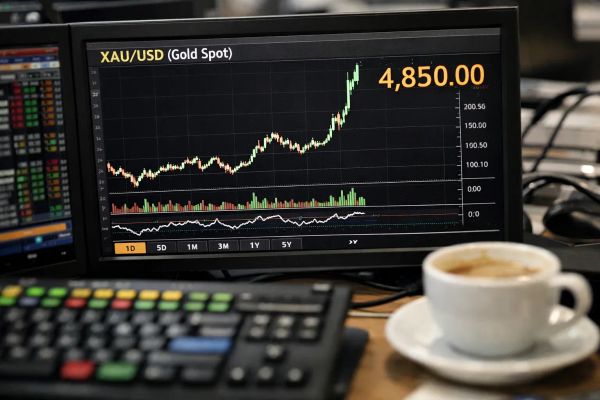
So why isn’t Bitcoin breaking higher? The problem isn’t crypto — it’s the backdrop. Concerns about stagflation, heavy Treasury issuance, and a cautious summer market have kept risk appetite in check. Meanwhile, gold has quietly surged to over $3,400 per ounce, its highest level on record (Trading Economics). In other words, investors aren’t fleeing Bitcoin — they’re hedging on multiple fronts.
Ethereum, on the other hand, feels restless. Prices are pressing against $4,600–$4,800, and the market is waiting for a clean break above $5,000. The ETF flows here are undeniable. On August 21, Ethereum ETFs logged $287.6 million in net inflows, with most of it going into BlackRock’s iShares Ethereum Trust (Blockchain News).
That single day is a snapshot of a larger trend. Since January, ETH has climbed from $1,500 to nearly $4,739 — a gain of more than 200%. ETF flows aren’t just ballast here, they’re the engine. And the narrative runs deeper. The European Central Bank is testing Ethereum and Solana as rails for the digital euro. If a sovereign currency ends up running on public blockchain infrastructure, that would be a turning point.
A strategist at Farside Investors framed it bluntly: “Ethereum’s institutional ETF inflows and the ECB’s exploration of its blockchain for the digital euro strongly support the bullish case for ETH to make new highs above $5,000.” Forecasts of $7,000–$10,000 ETH by year-end don’t sound so far-fetched in that light (Changelly).
The big question is whether crypto is breaking its old patterns. Bitcoin has long been defined by four-year cycles: halving, boom, bust, winter. But this time looks different. Bernstein projects Bitcoin could reach $200,000 by 2027, citing ETFs and policy shifts making the U.S. a crypto hub (MarketWatch). Other analysts are less optimistic, calling for resistance near $140,000.
Still, the fact that anyone is debating whether Bitcoin caps at 140k or runs to 200k tells you something: this asset is no longer living on the fringes. It’s part of portfolios, part of policy discussions, and part of the financial system’s foundation.
Ethereum’s trajectory is different. Instead of scarcity, it’s about infrastructure — DeFi, payments, even central bank pilots. Harder to explain in one sentence, but maybe more powerful in the long run.
Gold completes the picture. Its climb is proof that old hedges never go out of style. The framing now is less “gold versus crypto” and more “how do they fit together.” Gold as the core, Bitcoin as digital ballast, Ethereum as optionality. Stability, scarcity, and innovation in one triangle.
Investor Angle: The Takeaway for August 2025
For an investor reading this over coffee, here’s the message:
Bitcoin’s sideways action isn’t a failure — it’s maturity. Ethereum has the momentum right now, but with higher risk and higher upside. Gold reminds us why timeless hedges never leave the stage.
The real challenge isn’t whether to hold them, but in what proportion. In 2025, balance is everything.
“Clarity before the coffee cools.”
Warren Blake
Editor-in-Chief, Smart Trade Insights